

Description
Product details
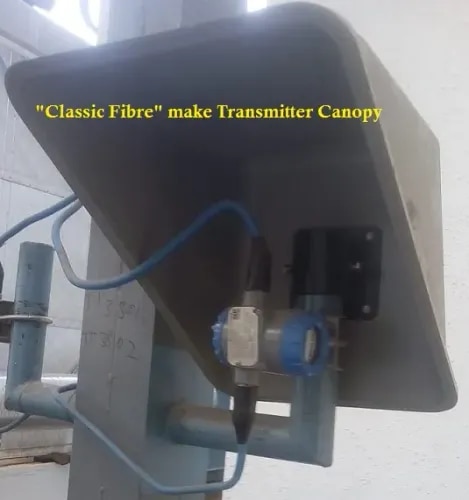
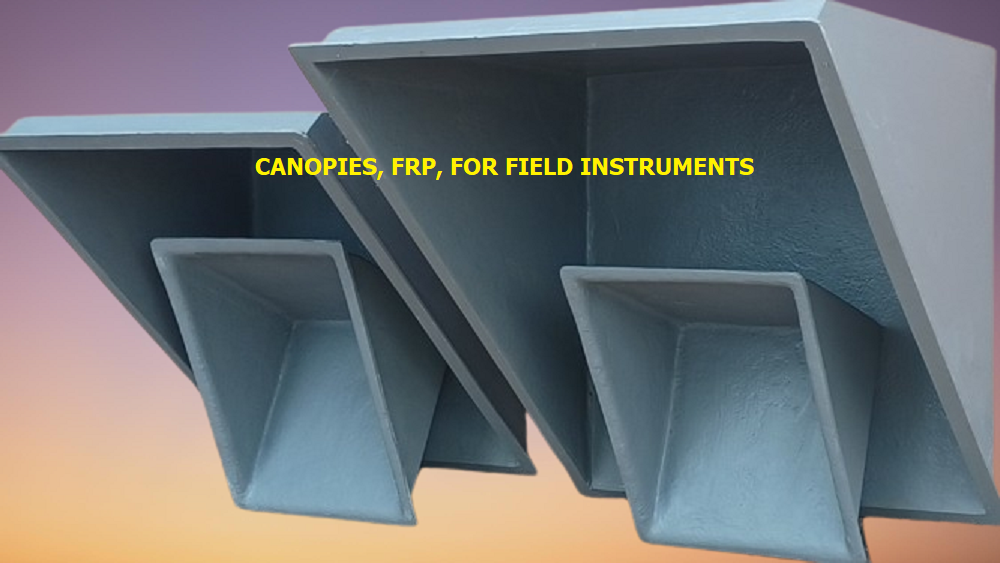
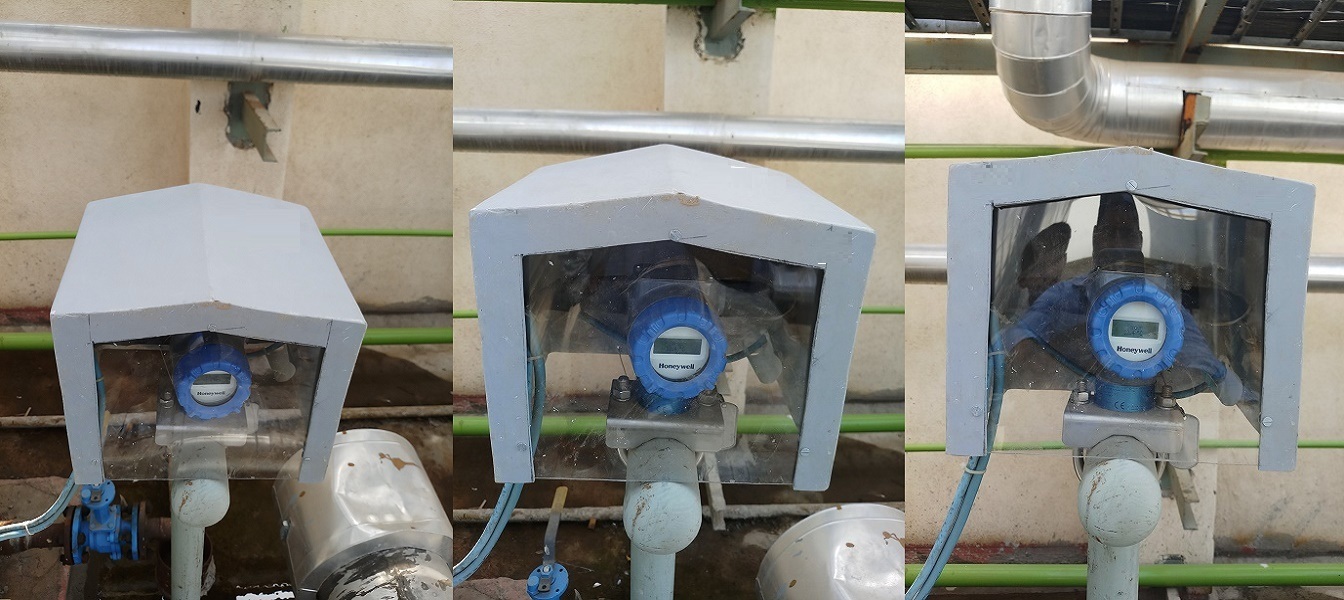
ge. Key Details of FRP Transmitter Canopy: Material Composition: Made from fiberglass reinforced plastic (FRP), a durable composite material that combines glass fibers with resin. This material is known for being lightweight, corrosion-resistant, and having high strength. Purpose: To protect electronic devices such as transmitters, sensors, and other sensitive equipment from environmental factors. Often used in industrial, telecommunications, and oil & gas applications. Features: Weatherproof: Resistant to extreme weather conditions like rain, heat, and wind. UV Resistant: Protects equipment from damage due to sun exposure. Corrosion Resistant: Ideal for use in marine or industrial environments where corrosion is a concern. Durability: Withstands harsh conditions without significant wear and tear. Lightweight: Easy to transport and install compared to metal canopies. Fire Retardant: Often treated to meet specific fire safety standards. Design: Typically designed with a modular structure, allowing for easy installation and customization. May include provisions for mounting equipment, such as brackets or racks. Ventilation: Proper ventilation or cooling systems may be incorporated to prevent overheating of the housed equipment. Doors and Access Points: Easy access for maintenance and monitoring of the transmitter or equipment inside. Applications: Telecommunications: Protecting communication equipment like transmitters, antennas, and base stations. Oil & Gas: Enclosing transmitters used in monitoring and control systems in refineries, offshore platforms, etc. Renewable Energy: Used in solar or wind power systems to house electronic controls or transmitters. Industrial: In manufacturing or chemical plants to protect monitoring devices and transmitters from environmental hazards. Maintenance: Typically low-maintenance due to the durability of FRP. Regular checks may be needed to ensure seals and access points remain intact and functional. Advantages of FRP Transmitter Canopy: Cost-effective: Less expensive than metal enclosures and provides long-term durability. Easy Installation: Simple to transport and install due to its lightweight nature. Non-conductive: Since FRP is a non-metallic material, it reduces the risk of electrical interference or short circuits.